Best Cooking Classes in Paros
Discover Paros through its flavors. Join local chefs and home cooks who reveal the secrets of Greek island cuisine, from fresh-caught seafood to olive-oil-rich meze
Cook, Taste & Share Like a Local
Paros cooking classes blend local ingredients, village kitchens and stories from the people who actually live here. You chop, stir and taste together, then sit down for a slow meal with wine and conversation.
Whether you are a couple, friends or traveling with kids, a Greek cooking class in Paros is one of the easiest ways to feel you have met the island, not just seen the beaches. It also fits perfectly into a wider week of experiences in Paros and relaxed days from things to do in Paros.
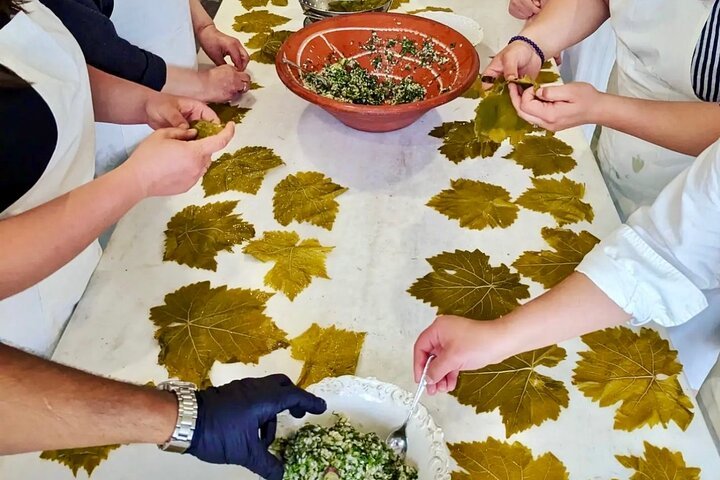
Greek Cooking Class, South East Paros: Learn, Cook and Dine
Quick guide: which cooking class fits you
If you only book one experience: Choose a small-group Greek cooking class in a village home or farmhouse. It gives you food, stories and a full meal in one.
Couples: Look for evening classes with wine, small groups and a slower pace. Private classes at villas are great for honeymoons and anniversaries.
Families with kids: Pick hands-on classes with simple recipes, space to move around and clear mention that children are welcome. Earlier start times work best.
Food lovers and serious home cooks: Choose classes that mention seasonal produce, extra dishes, recipe notes and wine pairings. Ask about vegetarian or special diet options.
Short trip, no car: Prefer classes near Parikia or Naoussa so you can reach them by taxi or bus. Some hosts include transfers.
Staying in a villa with a group: A private chef lesson at home turns one evening into both a class and a party. For options, see chefs and catering in Paros.
Best time of day: Evenings feel more atmospheric in summer, but morning classes are cooler and easier with kids.
Cooking classes in Paros – full guide
This guide explains what Greek cooking classes in Paros are like, the main types of classes, what you actually cook, how a typical session runs, and a few simple tips so you can choose the right one for your trip.
Jump to:
Why join a cooking class in Paros ·
Main types of cooking classes in Paros ·
What you usually cook ·
What a typical class looks like ·
When and where classes run ·
What to bring and practical tips
Why Join A Cooking Class In Paros
Greek cuisine is connection to people, produce and place. These Paros cooking experiences deliver warmth, flavor and unforgettable hospitality. You spend a few hours in a real kitchen instead of a restaurant, learn the stories behind the dishes, and see how local families use olive oil, herbs, wine and vegetables in daily life.
It is also a smart way to balance a week of beaches and sea days. A cooking class breaks up sun and salt with shade, conversation and a proper sit-down meal, especially if you have already planned a cruise from boat tours in Paros.
Main Types Of Cooking Classes In Paros
Village home or farmhouse classes
The most typical option is a class in a village home or farmhouse. Groups are usually small, around 6–12 people. You cook together in a real kitchen, then eat on a terrace or courtyard. This style is perfect if you want something local and personal rather than a polished hotel event.
Restaurant or taverna kitchens
Some chefs open their restaurant kitchen during the day for short lessons. You work on one or two signature dishes, then sit down to eat in the dining area. These classes often focus on plating, wine pairings and chef tips that you can repeat at home.
Private villa chef classes
If you stay in a villa with friends or family, you can bring the class to you. A private chef arrives with ingredients, teaches you a menu that fits your tastes, then leaves the kitchen clean. This is ideal for birthdays, celebrations and groups who do not want to drive after dinner.
If you like this style, start with chefs and catering in Paros and ask for a “lesson + dinner” format.
Cooking plus wine or farm visits
Certain hosts combine cooking with vineyard, farm or garden visits. You may pick herbs and vegetables, taste local wines, then return to the kitchen to cook. This is a good match if you are curious about Paros produce and wine as well as recipes, and it pairs nicely with wine tasting in Paros on another day.
What You Usually Cook
Menus change with the season, but a typical Greek cooking class in Paros includes:
One or two starters such as tzatziki, fava, saganaki, dolmadakia or small pies.
A main dish like slow cooked meat in tomato sauce, baked fish, gemista (stuffed vegetables) or moussaka.
Simple salads and sides with local tomatoes, capers, olives and herbs.
A small dessert such as spoon sweets, baked fruit or yogurt with honey.
Wine, ouzo or local spirits for toasting together, plus soft drinks and water.
Vegetarians are usually well covered. Vegan, gluten-free or other special diets are often possible, but must be confirmed at the time of booking.
What A Typical Cooking Class Looks Like
Every host is different, but most Paros cooking classes follow a similar rhythm:
Welcome and introductions. You arrive, meet the host, share a drink and hear what you will cook.
Short talk about ingredients. Olive oil, herbs, cheeses, wine and seasonal vegetables are explained so you know what you are working with.
Hands-on cooking. You chop, stir, shape, taste and adjust seasoning. The chef demonstrates, then lets you repeat each step.
Table set-up. While dishes finish in the oven or on the stove, the table is laid and wine is poured.
Shared meal. Everyone sits together to eat what you have cooked, often with extra plates prepared by the host.
Recipes and goodbye. You usually leave with recipe notes, photos and suggestions for other places to explore on the island.
When And Where Classes Run
Most Greek cooking classes in Paros run from late April or May until October. In high summer there are often both morning and evening sessions. Morning classes are cooler and better for families with younger children. Evening classes feel more atmospheric and work well for couples and groups of friends.
Locations vary. Many classes are close to Parikia, Naoussa or central villages such as Lefkes and Marpissa. Some hosts include transfers from main areas, others ask you to arrive by car, taxi or bus. Check the meeting point carefully so you do not rush the start of the class.
What To Bring And Practical Tips
Clothing: Light, comfortable clothes that you do not mind getting a little messy. Closed shoes are safer than sandals in the kitchen.
Allergies and diets: Tell your host about allergies, vegetarian or vegan needs and any food you cannot eat when you book, not on arrival.
Transport: If wine is included, consider booking taxi and private transfers in Paros or use a designated driver.
Timing: Plan to arrive a little early. Village streets and country roads can be slower than you expect.
Weather: In July and August, choose evening classes or cooler spaces if you struggle with heat.
Photos: Most hosts are happy for you to take pictures and videos. Ask before posting close-up shots of other guests.
With one good cooking class in Paros you take home more than recipes. You leave with new friends, confidence to cook Greek food again, and a deeper feeling for island life.
Greek Cooking Classes In Paros: FAQs
How long does a typical cooking class in Paros last?
Most classes last between 3 and 5 hours from arrival to the end of the meal. Private villa classes can be a little longer, especially if you combine extra dishes or a wine tasting.
Do I need cooking experience to join?
No. Greek cooking classes in Paros are designed for normal home cooks. The host guides you step by step. If you already love cooking, you can ask for extra tips and more advanced techniques.
Are cooking classes suitable for children?
Many classes welcome children, especially morning sessions. Look for descriptions that mention kids or family-friendly menus. Very young children will need close supervision around knives and hot pans, so it helps if two adults are present.
Can you cater for vegetarians, vegans or gluten-free diets?
Vegetarians are usually easy to accommodate because many Greek dishes are naturally meat-free. Vegan, dairy-free and gluten-free menus are often possible, but they must be requested in advance so the host can plan the menu and ingredients.
Is wine or alcohol included?
Most classes include a small amount of local wine, ouzo or other drinks with the meal, plus soft drinks and water. Exact details depend on the host and will be listed in the trip description or booking confirmation.
Is transport to the cooking class included?
Some hosts offer hotel or village pick-up, others ask you to arrive at the meeting point by car, taxi or bus. Always check what is included and plan your transport before the day of the class, especially if you plan to drink wine.
Which language are the classes in?
Most Paros cooking classes run in English, sometimes with Greek mixed in for fun. Private classes in other languages may be possible on request. Check the language in the description if you are booking for friends or family.
How far in advance should I book a cooking class?
In June, July, August and early September, popular classes can sell out several days or even weeks ahead. If a cooking class is a “must-do” for your trip, it is worth reserving before you arrive on the island, especially for weekends and evenings.
What To Do Next:
Ready to taste Paros, not just look at it on a plate?
Map out the rest of your week with things to do in Paros so cooking classes sit in the bigger picture.
Add one more flavor day with experiences in Paros like pottery, wine tasting or a relaxed outdoor activity.
Pick a base using where to stay in Paros so your evening class and dinner are an easy walk or a short drive away.
Balance food days with sea days using boat tours in Paros and best beaches in Paros.
If you love hosting at home, check chefs and catering in Paros for a private dinner that feels like your class, but in your own kitchen.