
Tripiti Beach
Small cove, low cliffs and “old Paros” vibes
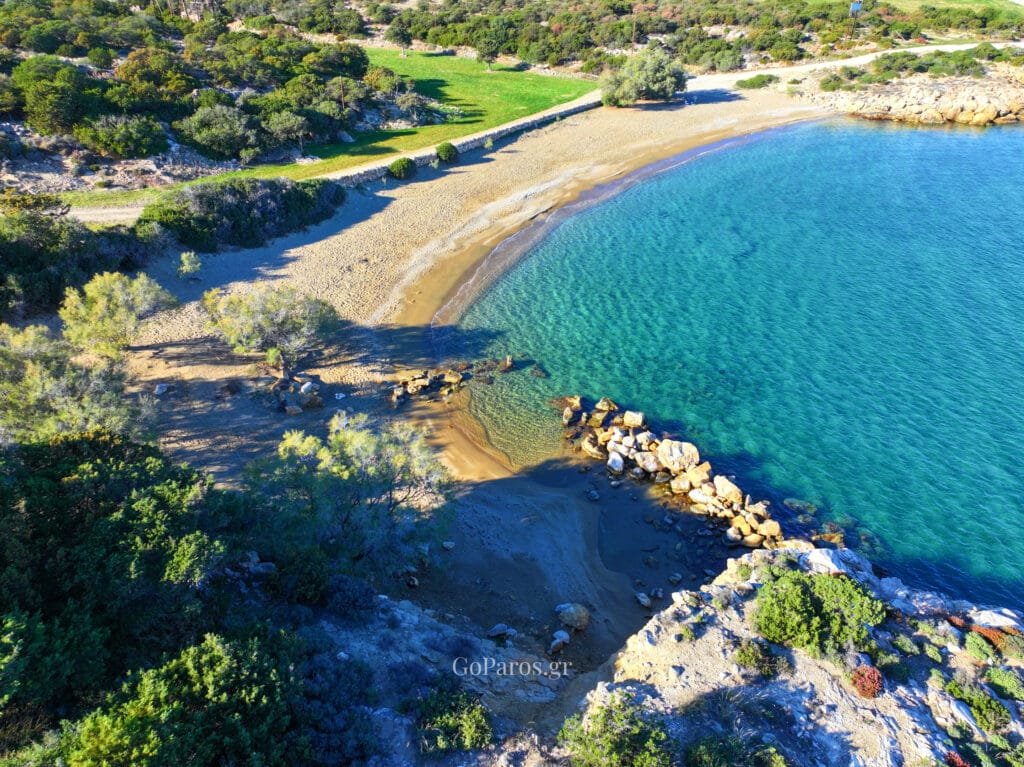
Tripiti Beach is a small south-coast cove with a very “old Paros” feeling: sand, rocks, low cliffs for little jumps and clear water that often stays calm when the north wind blows. It is not a big organised resort beach, more a place you find on purpose with a car or scooter, then keep in your pocket as a quiet favourite for the rest of the trip. If you are using the wider best beaches in Paros guide, Tripiti sits firmly in the “quiet south-coast cove” category.
Tripiti Beach at a glance
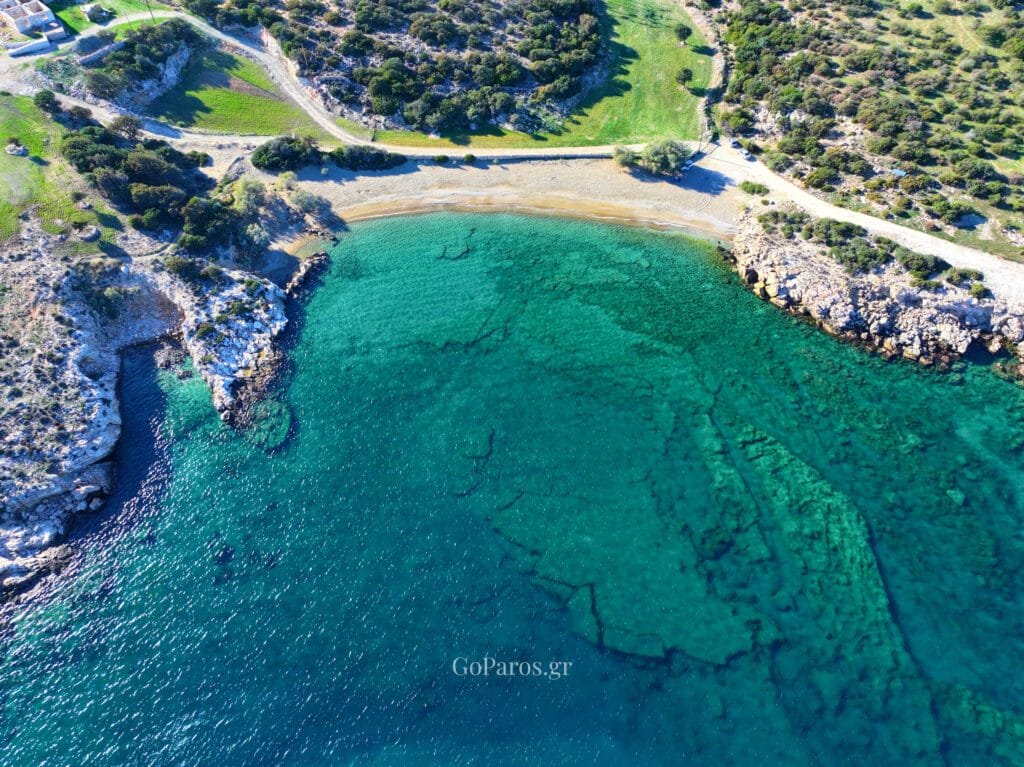
- Type: Small south-coast cove with sand, rocks and low cliffs.
- Vibe: Quiet, low-key, very “old Paros”, no big beach clubs.
- Best for: Couples, friends, confident-swimming families, people who like simple, non-organised beaches.
- Not ideal for: Visitors who need full services, sunbeds on the front row and easy bus access.
- Water feel: Clear, usually calm on northerly meltemi days, with some entry over sand and rock.
- Organisation: Non-organised; expect to bring your own shade and snacks.
- Stay nearby: Best bases are Drios, Marpissa, Piso Livadi or other east/southeast villages.
Where Tripiti Beach sits on the island
Tripiti Beach lies on the south coast of Paros, just east of Lolantonis Beach and a short drive from the village of Drios on the southeast side.
- Approx. 10 minutes by car from Drios, depending on exact route and road conditions.
- Roughly 25–30 minutes from Parikia and similar from Naoussa if traffic is normal.
- About 15 minutes from Paros airport, again depending on season and traffic.
Think of Tripiti as part of the same “string” of south and southeast beaches as Lolantonis, Faraggas, Makria Miti and the Drios / Golden Beach area, but a touch quieter and more tucked away.
How Tripiti Beach feels through the season
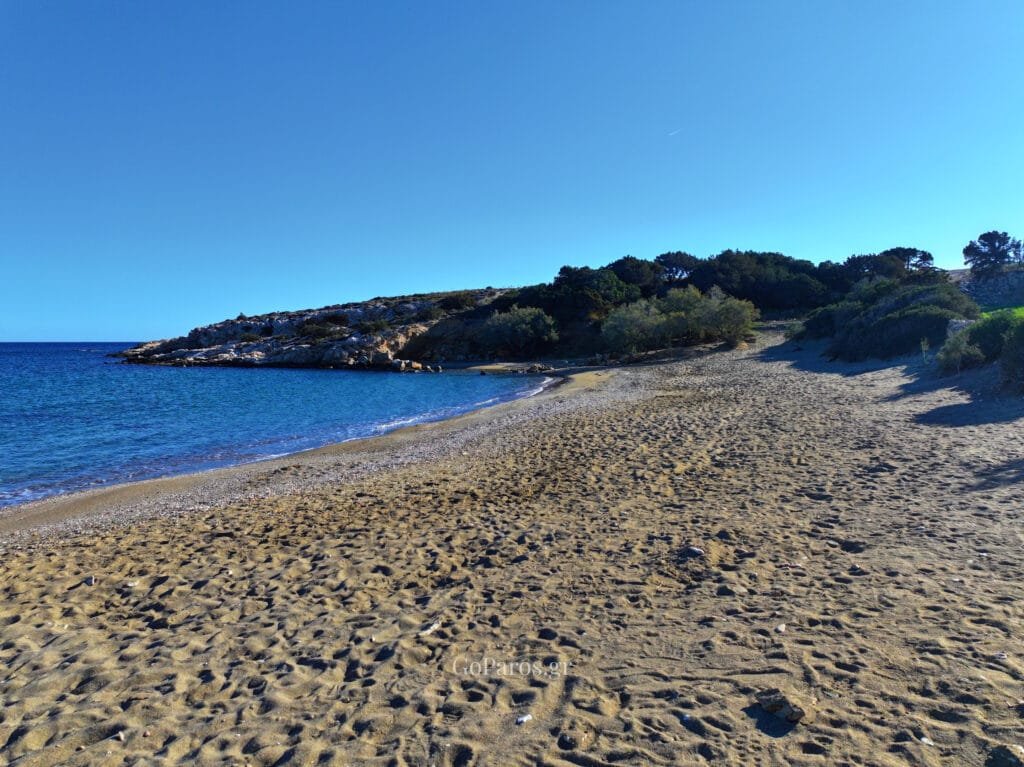
May – June: Very relaxed. You may share the bay with just a handful of people. Perfect for long, quiet swims and reading days with your own umbrella.
July – August: Still one of the less crowded options compared with famous beaches like Golden Beach or Santa Maria, but you will see more locals and return visitors who know the spot. It can feel lively without ever turning into a big organised scene.
September – early October: Sweet spot. Warm water, softer light and smaller crowds. Tripiti works beautifully in this period if you like slower, longer beach days.
Wind and weather: On typical northerly meltemi days, the south-facing bay is often relatively calm compared with north-coast beaches. On strong southerly winds, waves can pick up and the beach feels a little more exposed but still great.
Sea, sand and water at Tripiti
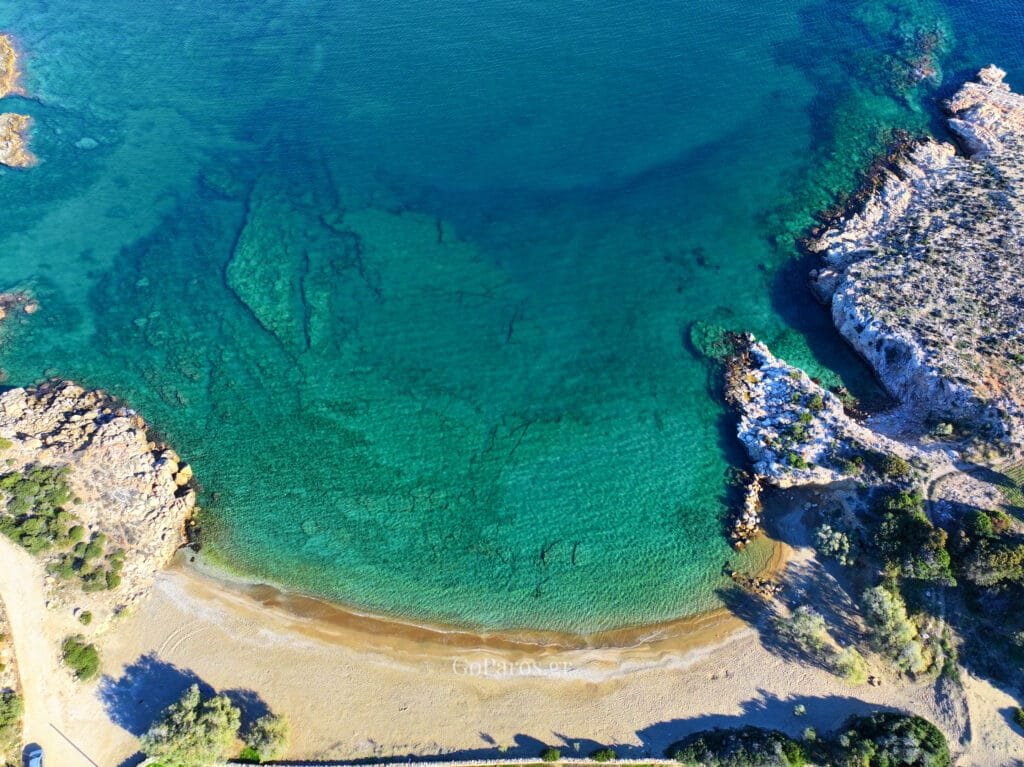
Beach shape: A small cove with a sandy central section and rocky sides that frame the bay.
Sand: Mainly sand underfoot with some pebbles and rock patches, especially toward the edges.
Entry: Gentle enough for confident swimmers, but watch where you step as you enter and exit due to scattered rocks.
Water: Clear, typically very inviting for swimming and snorkeling around the rocky sides.
Cliff jumps: There are low natural ledges where locals and visitors sometimes do small, safe-height jumps on calm days. Always check depth yourself first and avoid any jumps in swell or waves.
Shade: Often limited. You should plan to bring your own umbrella or beach tent, especially in July and August.
If you want a small, natural cove that feels different from the larger south-east bays such as Lolantonis or Faraggas, Tripiti is a very good fit.
Access, parking and getting there
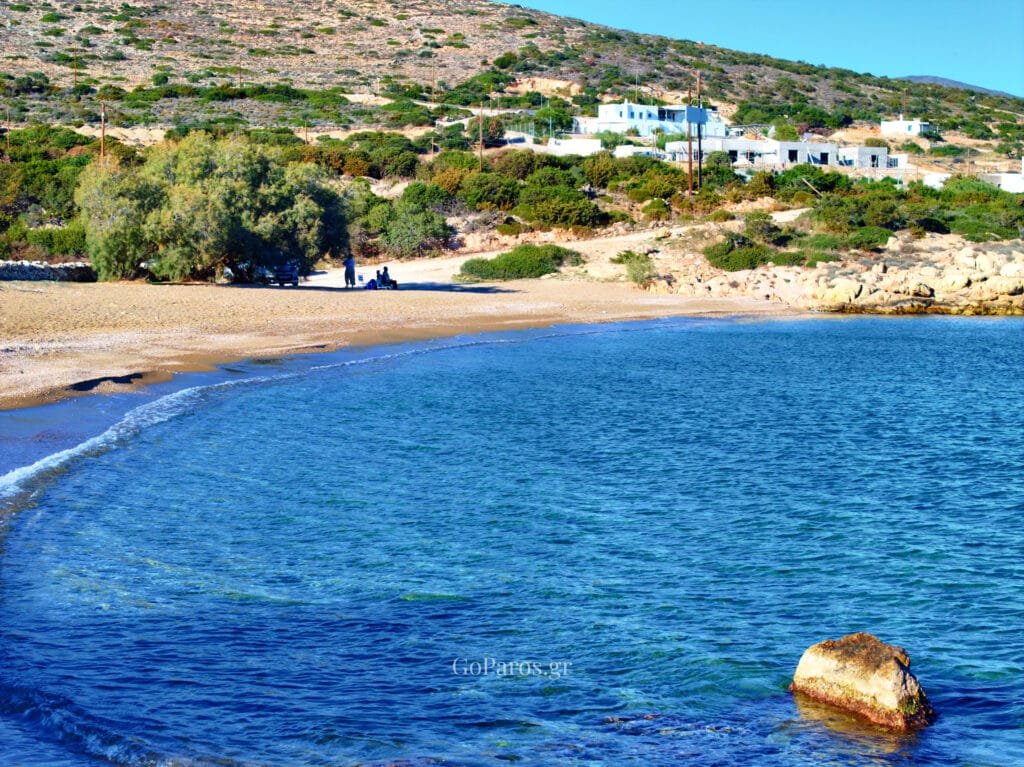
By car or scooter: The realistic way to reach Tripiti. You follow south/east-coast roads past Drios and Lolantonis and then drop down toward the cove.
Road quality: Main roads are paved; final approach can involve narrower or rougher stretches, so take it slowly and be mindful of passing traffic.
Parking: Usually informal roadside or small open areas above the beach. In peak season, arrive earlier in the day to avoid circling.
No bus access: There is no direct bus stop at Tripiti. You really want your own wheels or a private transfer in Paros if you do not drive.
Good to pair with rentals: Tripiti works well if you organise car rentals in Paros or ATV and scooter rentals in Paros so you can hop easily between nearby coves.
Food, drinks and services at Tripiti
Tripiti is not a full-service resort beach. That is part of its charm.
On the beach: Expect no permanent facilities. In some seasons, you may see a few umbrellas linked to nearby rooms, but you should always plan as if there are no services.
Closest tavernas: You will usually drive back to places around Drios or Piso Livadi for tavernas, cafés and bars.
Shops: For groceries and snacks, the easiest options are in Drios or Marpissa, where you have supermarkets and bakeries.
Plan like a picnic: Bring water, snacks, fruit, sunscreen and shade. Tripiti is ideal if you enjoy a simple, wild beach day rather than full waiter service on the sand.
Who Tripiti Beach works best for
- Couples: Great for a quiet, low-key swim with a more intimate feel than the big headline beaches.
- Friends: Perfect if your group likes exploring smaller coves, doing a bit of snorkeling and maybe some low cliff jumps.
- Families with older kids/teens: Works well if everyone is a confident swimmer and happy without playgrounds or big infrastructure. Keep a close eye on jumps and entry points.
- Slow travellers: A strong choice if you are staying in Drios, Marpissa or nearby and want “everyday” beaches that locals use, not just the famous Instagram ones.
- Not ideal for: People with very young children who need lots of shade and facilities right behind the sunbeds, or anyone with mobility issues who struggles with uneven ground and simple access paths.
Example easy days that include Tripiti
Half-day from Drios or Marpissa: Morning swim at Tripiti Beach, lazy hours under your umbrella, then late lunch or early dinner in Drios or Marpissa.
Two-cove south coast day: Start at Lolantonis Beach for coffee and a first swim, move to Tripiti after midday when the meltemi picks up, and finish with dinner in Drios.
Beach plus village loop: Swim at Tripiti, then drive up to Lefkes or Prodromos for an evening village walk and taverna meal.
Windy-day escape: When north winds make the Naoussa area choppy, use Tripiti and nearby south coves for calmer water and a slower rhythm.
What locals notice and love about Tripiti
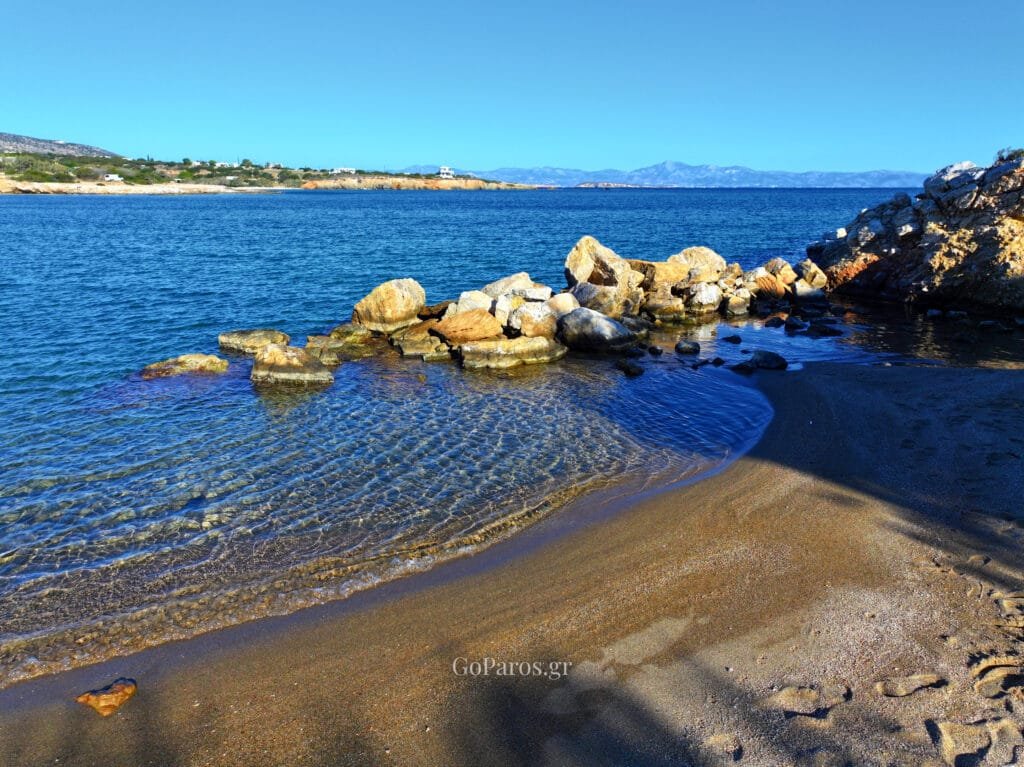
- The “old Paros” feeling: No heavy development, just a small cove, rocks, sand and sea. It feels like the island before big beach clubs.
- The rock edges: Great for snorkeling and gentle exploring along the sides of the bay.
- Low cliff jumps: On calm days, confident swimmers enjoy small jumps from low ledges (always check depth first).
- The soundscape: Often you hear only waves, a few families or groups talking and the occasional car above, not loud music systems.
- Easy combos: You can link Tripiti with Lolantonis, Drios and other nearby beaches for a varied day without driving long distances.
Tripiti Beach, Paros: FAQs
Is Tripiti Beach easy to reach without a car?
No. There is no direct bus to Tripiti Beach, so it is best reached with a rental car, scooter, ATV or a pre-booked private transfer. If you rely only on buses, it is much easier to stick to beaches with clear bus stops like Golden Beach, Logaras or the Parikia and Naoussa bays.
Is Tripiti Beach good for families with small children?
It can work, but only if parents are comfortable with a more natural, non-organised beach and keep a close eye on kids around the rocks and low cliffs. For very young children, beaches like Golden Beach, Monastiri or Aliki are usually more straightforward.
Are there sunbeds and umbrellas at Tripiti?
You should plan as if there are none. In some seasons, you might find a few umbrellas linked to nearby accommodation, but Tripiti is not a classic organised beach. Bring your own shade, water, and snacks.
Can I jump from the cliffs at Tripiti Beach?
There are low natural ledges where people sometimes do small jumps on calm days. Always check the depth yourself, avoid jumping in swell or waves and never dive headfirst. If in doubt, skip the jumps and enjoy the water from the sand.
Is Tripiti a good choice on windy meltemi days?
Yes, often. Because it faces south, Tripiti is usually calmer than the north-coast beaches when the meltemi blows from the north. On strong southerly winds, though, half the beach will feel more exposed and choppy, but the most protected part by the rocks should be glass.
Where is the best place to stay if I want to use Tripiti a lot?
The most convenient bases are villages like Drios, Marpissa or Piso Livadi on the east and southeast side of Paros. From there you can reach Tripiti and other south/east beaches quickly with a car or scooter.
How long should I plan to spend at Tripiti Beach?
Tripiti is perfect for a relaxed half-day or a long, slow day if you bring shade and supplies. Many people combine a few hours at Tripiti with time at Lolantonis and dinner in Drios or a nearby village.
What To Do Next:
Use Tripiti Beach as one of your “quiet day” options and connect it with a few other key guides:
- Best beaches in Paros: see how Tripiti compares with famous spots like Golden Beach, Kolymbithres and Santa Maria in the full Paros beaches guide.
- Drios, Paros: choose a calm, classy village base a short drive from Tripiti and other south coast coves by checking the Drios village guide.
- Marpissa, Paros: stay inland in a traditional village using the Marpissa, Paros page and use Tripiti, Lolantonis and Molos as your nearby beaches.
- Things to do in Paros: pair a Tripiti swim with easy hikes, food experiences or creative workshops on calmer days using the main things to do in Paros guide.
- Paros car rentals: organise a car or ATV so you can actually reach Tripiti and the other quiet south coast beaches without stress via car rentals in Paros and ATV and scooter rentals.
- Boat tours in Paros: mix one simple Tripiti day with a full boat day around Paros, Antiparos and Despotiko for variety using the boat tours in Paros guide.